バランスを整えて美人顔に!アートメイクで美しさを引き出そう
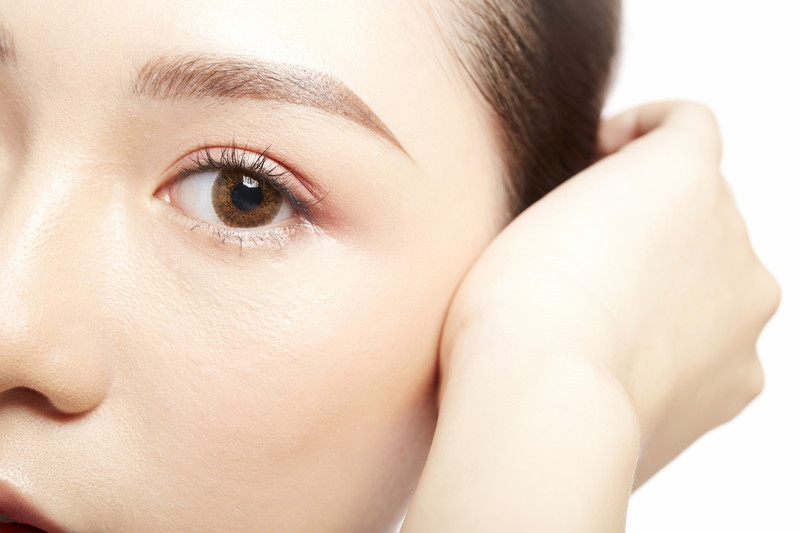 アートメイクとは簡単に言えば「落ちないメイク」のことです。顔を洗ってもメイクした状態のままなので「パーマネントメイク」と呼ばれることもあります。アートメイクをすれば、2年から3年の間、きれいにメイクをした状態を持続できるでしょう。その間は、雨に濡れても汗をかいてもメイクが崩れることがありません。常態的にメイク状態をキープしてくれるので、顔のバランスを整えるのにアートメイクは効果的です。
特に「眉アートメイク」は顔のバランスに大きな影響を与えます。日本人のほとんどの方は、顔の左右で眉山の位置や高さが異なるものです。きれいに整っているように見える方でも、数mmほどずれていることが一般的。ほんの少しの違いに思うかもしれません。ですが、少しのズレが顔の本来の美しさを引き出せなくしています。眉毛の位置を眉アートメイクで調整して、眉山の位置や高さを左右均等にキープした状態にすれば、顔が持つ印象が格段によくなりますよ。
顔のバランスを整えるに効果的です。まずは「アイラインアートメイク」です。これはアイラインに色素を入れることで目元を際立たせるアートメイク。目元というのは左右のバランスの違いが目立ちやすい部位です。アートメイクで少しカラーを入れるだけで、バランスの改善が期待できるでしょう。また、存在感のある目元を作り出すだしてくれるのも、嬉しいポイントです。
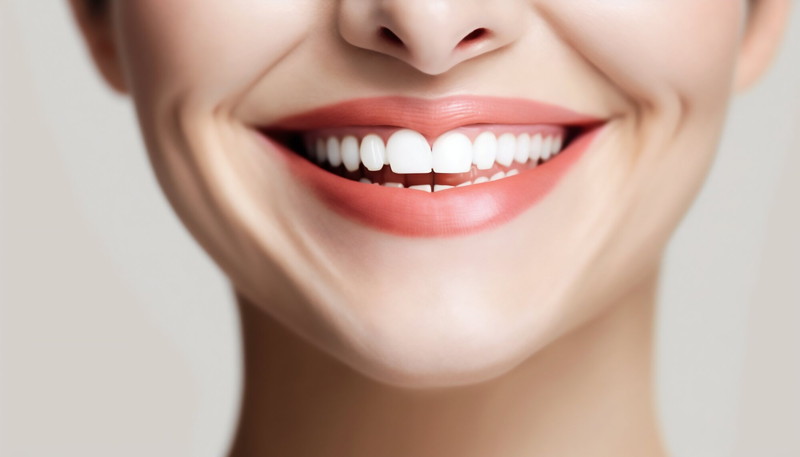 笑い顔に自信がない人や自然な表情ができているか不安な人は、口もとのバランスが崩れているかもしれません。口もとのバランスが崩れると、普段の表情が不自然にみえることがあるからです。「リップアートメイク」は唇に色素を注入することで、口元のバランスをきれいに整える効果が期待できるアートメイクです。血色もよくなるので、顔自体が若々しくみえるという効果もあります。
人工的なほくろを顔に配置することで、顔全体のバランスを整え、印象をよくすることが可能です。「ほくろアートメイク」は、希望する場所にほくろを入れるアートメイク。ほくろアートメイクは顔が全体的に傾いたイメージがある方に効果的。ほくろを入れることで傾いた印象を軽減させられるからです。なお、ほくろはアクセサリーのように顔にさまざまなイメージを付加してくれます。例えば、目元の泣きぼくろや口元のつやぼくろは、大人っぽさを与えてくれるチャームポイントとなるでしょう。
ノーメイクで過ごせる方法やメリットを解説
毎日の化粧に時間を割きたくない、しかし、それでも整った容姿を維持したいという人にぴったりの「アートメイク」を知っているでしょうか。アートメイクは、特殊な顔料を皮膚の表面層に入れることで化粧を永続化し、自然な美しさを持続させる技術です。アートメイクは、眉、目、唇など、特に印象を大きく左右する部分に対して施術されます。これにより、ノーメイクでいながらも自然で美しい状態を保つことができるのです。
 アートメイクは、自然な美しさを追求するための方法として多くの人々に利用されています。とくに、眉毛やアイライン、唇に対するアートメイクは人気が高く、一度施術を受けることで日々の化粧の手間を大幅に軽減することが可能です。自然な色味と形状を選べば、自分自身の美しさを引き立て、さらに顔色を明るく見せることもできます。また、アートメイクは、化粧品による肌トラブルを抱える方々にとっても有効な選択肢です。肌が敏感で化粧品による刺激に耐えられない、またはアレルギー反応を示す人でも、アートメイクであれば問題なくメイクができて美しい容姿を保つことができる可能性があります。
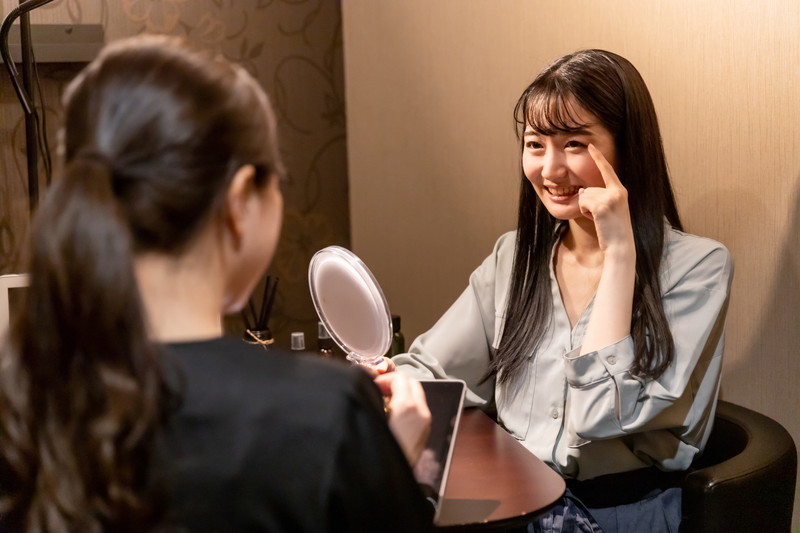 アートメイクの施術は、初めての方でも安心して受けられるよう、専門的な技術と知識を持った医師によって行われます。まず最初に行うのは、顔の形、肌の色、個性などを考慮に入れてデザインを決定するカウンセリングです。デザインが決定したら、特殊な器具を用いて顔料を皮膚に入れ、メイクの形にしていきます。
このように便利なアートメイクですが、注意点も存在します。たとえば、施術後のアフターケアも重要である点です。アートメイクは肌に直接染料を入れるため、肌が傷つき、場合によっては数週間ほど腫れや赤みが残る場合もあります。より長く美しい状態を維持するためには、医師によって指示された肌のケアを怠らないことが可能です。また、施術を行う医療機関や選択も重要で、施術者の技術や経験、衛生管理などを十分に確認するようにしましょう。
満足できるアートメイクにするための施術者の選び方について
美容処置の一種であるアートメイクを行う場合、専用の資格は必要ありません。メイクのデザインをどう決めるかは施術者のセンスが問われるので、美容に詳しい方が有利と言えるでしょう。しかし、インクを皮膚へ注入する処置は医療行為と見なされることから、医師や看護師の免許は必須です。また、アートメイク用の機器を購入できるのは医師だけなので、必然的に医師が常駐している医療機関だけがアートメイクを実施できる施設になります。安全性を第一に考えることが大切なので、美容外科などの医療機関から選ぶのが賢い方法でしょう。
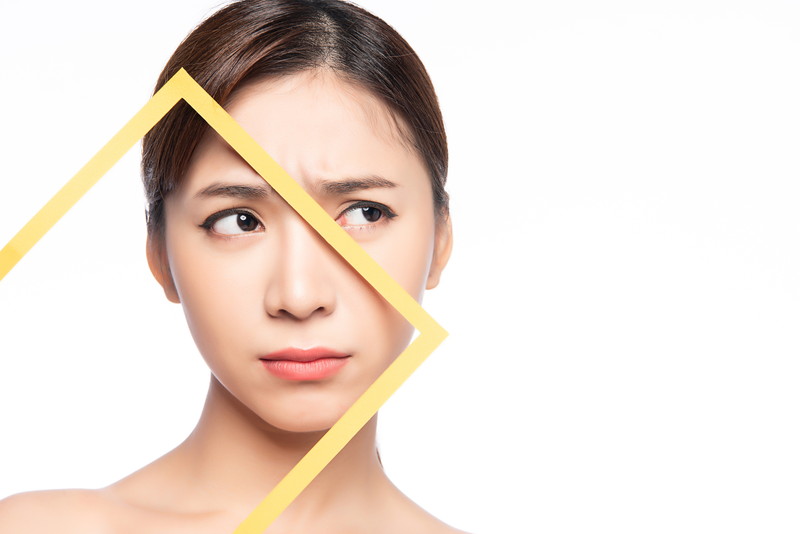 同じアートメイクでも施術者の腕前で仕上がりの良し悪しが大きく変わるのは紛れもない事実です。優れた施術者を頼るのが満足できるアートメイクにするための選び方ですが、相性もあるので知名度や評判だけで安易に即決してはいけません。アートメイクは簡単にやり直すことができないので、処置の際は事前のカウンセリングが欠かせません。納得できる綺麗な仕上がりにするためには依頼者と施術者との間に信頼関係が構築されていることが何よりも重要です。何度もカウンセリングを行うのはイメージを共有する意味もありますが、相性の良し悪しを知るのが主な目的です。不明な点があれば納得できるまで何度でも確認する必要があります。
説明を省略したり、強引に処置を進めようとする所は例え優れた腕前でもトラブルに見舞われる可能性があることから、避けるのが無難と言わざるを得ません。
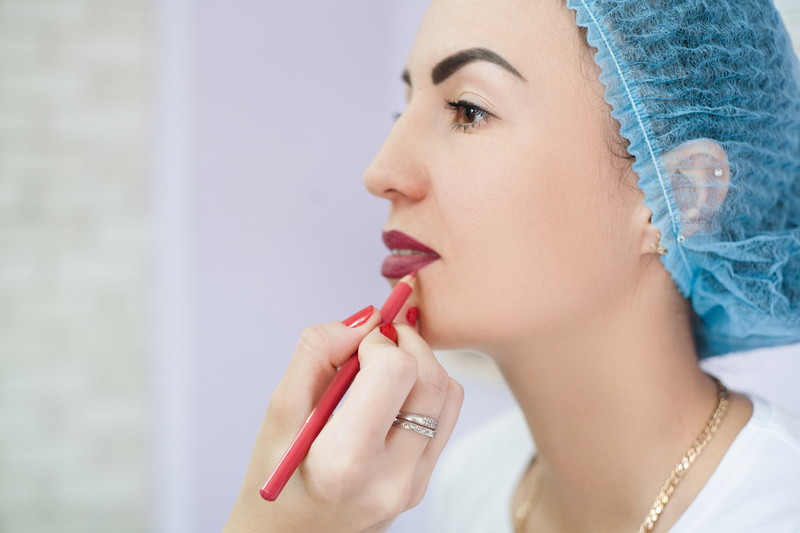 アートメイクを手掛ける医療機関は少なくありませんが、それぞれ得意分野は異なります。眉毛の形を整えるのに特化している、ほくろを綺麗に仕上げるのが得意など様々です。自分がやりたいアートメイクと施術者が得意とするデザインが合致していることが綺麗に仕上げるための重要な条件なので、ホームページや口コミサイトなどの情報を確認するのが失敗しない選び方と言えます。施術者に直接問い合わせができる所なら、より詳しい情報が得られるでしょう。