目力アップ!印象的な目元を手に入れよう
アートメイクは、皮膚に色素を入れるため、洗っても落ちないのが特徴のメイクです。毎日のメイクの手間が省けるほか、汗や水に濡れても落ちないため、崩れたりメイク直しもほとんど必要ありません。顔の印象を大きく左右する眉やアイラインは、綺麗に描くのに時間がかかって大変と感じている人も多いでしょう。アートメイクであれば、一度入れると2~3年は効果が持続するため、メイクで悩む時間も減り、すっぴんでも自信が持てると人気を集めています。
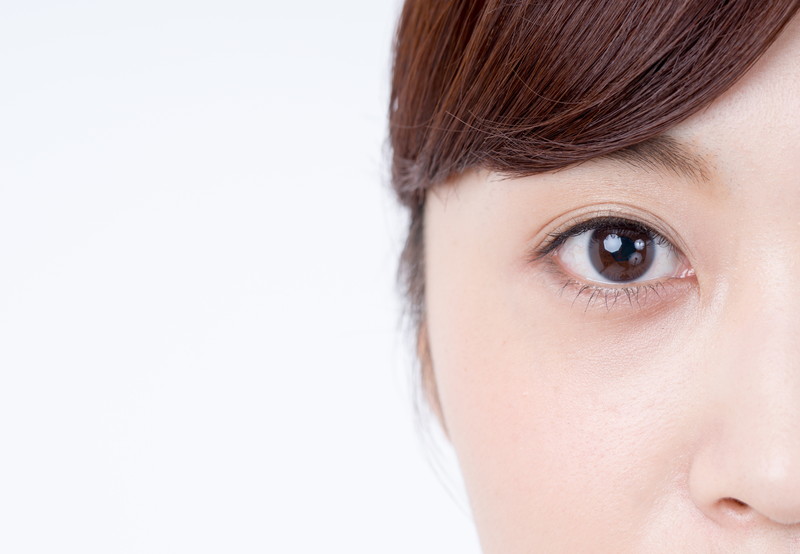 目元の印象は、顔の印象に大きく繋がります。少しでも目が大きく見えると、見た目の印象も変わるものです。整形することなく目を大きく見せられるアイラインは、まつげとまつげの隙間が埋められることで、まつげが増えたように見え、目元の印象を変えてくれます。メリハリのある目元になれるため、多くの人がアイラインをメイクに取り入れていますが、綺麗に引くのは難しいものです。上手く描けずにストレスに感じたり、上手く描けない日は外に出るのが憂鬱になったりといった経験がある人もいるでしょう。アートメイクであれば、理想のデザインが実現でき、アイラインを描く手間も省けます。アイラインのアートメイクでは、上下の目の際に施すもので、ラインの長さや太さは調節が可能です。目尻を跳ね上げたアイメイクや目の周囲を囲むなど、自分好みのデザインで描いてもらえます。細い線だけであっても、目元が引き締まって目力アップに繋がるでしょう。常に理想のアイラインが入っているのは、自信にもなります。また、汗や水に濡れて化粧が落ちても、目元の印象は変わらないのも嬉しいポイントです。
目力アップには、アイラインだけでなく眉の印象も重要です。すっぴんでは眉が薄くて印象も薄くなりがち、という人もいるでしょう。毎日メイクするものであっても、眉の印象は目元の印象にも関係するため、眉メイクが上手くいかないと目元もぼんやりしてしまう結果になりかねません。眉のアートメイクであれば、すっぴんでも眉毛が生えているような自然な仕上がりが実現できるのが特徴です。いつでもメイクしたような仕上がりはもちろん、ネチュラルな仕上がりでメイクでのアレンジを楽しむことも可能なため、自分に合った眉のアートメイクを探してみましょう。